Area Real Estate News & Market Trends

You’ll find our blog to be a wealth of information, covering everything from local market statistics and home values to community happenings. That’s because we care about the community and want to help you find your place in it. Please reach out if you have any questions at all. We’d love to talk with you!

March 24, 2025

What You Should Know About Escrow: A Buyer's Guide

Understanding Escrow

What You Should Know About Escrow: A Buyer's Guide

Buying a home is one of the most significant financial decisions you'll ever make, and the process can feel overwhelming. One essential but often misunderstood component of real estate transactions is escrow. Understanding how escrow works can help you navigate the home-buying journey with confidence and avoid potential pitfalls. In this guide, we’ll break down everything you need to know about escrow, including its role in the home-buying process, how it protects both buyers and sellers, and what you can expect along the way.

 What Is Escrow?
Escrow is a financial arrangement where a neutral third party holds funds and documents on behalf of the buyer and seller until specific conditions of the real estate transaction are met. This process ensures that both parties fulfill their contractual obligations before any money or property changes hands.

 How Does Escrow Work?
The escrow process typically follows these steps:

1. Opening an Escrow Account – Once the buyer and seller agree on terms, an escrow account is opened with a third-party escrow company or agent.
2. Deposit of Earnest Money – The buyer deposits an initial amount, known as earnest money, into the escrow account to demonstrate good faith in purchasing the property.
3. Fulfillment of Contingencies – Both parties work to meet any contingencies outlined in the contract, such as home inspections, financing approval, and title searches.
4. Review and Approval of Documents – Necessary documents, including the purchase agreement, title report, and loan documents, are reviewed and approved by the escrow agent.
5. Closing Process – Once all conditions are met, funds are disbursed, documents are signed, and ownership is officially transferred. 

Why Is Escrow Important? 
Escrow serves as a safeguard for both buyers and sellers by ensuring a secure transaction. Here’s why it’s crucial:

● Protects Earnest Money – If the transaction falls through due to unmet contingencies, escrow ensures that the buyer's earnest money is refunded (or allocated appropriately based on the contract terms).
Ensures Contractual Compliance – The escrow agent ensures that both parties adhere to the agreed-upon terms before finalizing the sale.
Facilitates a Smooth Closing Process – Escrow helps coordinate various aspects of the closing process, preventing last-minute complications.

Escrow and the Home-Buying Process
For buyers, understanding the role of escrow in different stages of home buying is essential. Here’s how escrow fits into the bigger picture:

1. Opening Escrow
After an offer is accepted, the buyer will deposit the earnest money into the escrow account. The escrow officer will outline the next steps and manage the transaction from start to finish.

2. Managing Contingencies
Common contingencies that must be satisfied during escrow include:
● Home Inspection Contingency – Allows the buyer to inspect the property and negotiate repairs if needed.
● Appraisal Contingency – Ensures that the home’s value aligns with the purchase price, as determined by a professional appraisal.
● Financing Contingency – Gives the buyer time to secure a mortgage loan.

3. Title and Ownership Verification
A title search is conducted to ensure there are no legal claims or disputes over the property. The escrow agent will also help secure title insurance to protect against future claims

4. Finalizing the Sale
Once all conditions are met, the escrow agent disburses funds, the deed is recorded, and the buyer officially takes ownership of the home.

Tips for Buyers Navigating Escrow
To ensure a smooth escrow process, keep these tips in mind:

● Stay in Close Communication – Regularly check in with your real estate agent, lender, and escrow officer to ensure all requirements are being met on time.
● Understand Your Responsibilities – Be aware of deadlines and required documents to avoid delays.
● Avoid Major Financial Changes – Changing jobs, making large purchases, or taking on new debt can affect your mortgage approval and delay closing.
● Review All Documents Carefully – Take the time to understand all paperwork before signing.

Escrow is a vital component of the home-buying process, providing security and structure to ensure a fair transaction. By understanding how escrow works and staying proactive, buyers can move forward with confidence and avoid unnecessary roadblocks. If you're preparing to buy a home, working with a knowledgeable escrow officer and real estate professional can make all the difference in ensuring a smooth and successful closing. Are you currently navigating escrow or planning to buy a home soon? Shar

Posted in Financing FAQ
March 17, 2025

How Interest Rates Are Shaping the Housing Market

How Interest Rates Shape The Market

How Interest Rates Are Shaping the Housing Market

Interest rates are one of the most influential factors affecting the housing market. Whether you're a first-time homebuyer, a seasoned investor, or simply keeping an eye on real estate trends, understanding how interest rates impact home prices, mortgage affordability, and market demand is crucial. In this blog post, we’ll explore how changing interest rates shape the housing market and what this means for buyers, sellers, and investors.

How Interest Rates Impact Mortgage Affordability

The Link Between Interest Rates and Monthly Payments
Mortgage interest rates directly impact the affordability of a home. When interest rates are low, borrowers can afford larger loans because their monthly mortgage payments remain manageable. Conversely, when interest rates rise, the cost of borrowing increases, reducing purchasing power for homebuyers.

For example, a 30-year fixed mortgage of $300,000 at an interest rate of 3% results in a lower monthly payment compared to the same loan at a 6% interest rate. Even a small increase in interest rates can add hundreds of dollars to a monthly mortgage payment, making homeownership less accessible for many buyers.

Refinancing Opportunities

Low-interest rate environments often lead to a surge in refinancing activity, as homeowners seek to lower their monthly payments or reduce the length of their loans. Conversely, when rates rise, refinancing becomes less attractive, potentially limiting homeowners' financial flexibility.

The Effect of Interest Rates on Home Prices

Demand and Affordability

Interest rates influence housing demand. When rates are low, borrowing is more affordable, increasing buyer demand and, consequently, home prices. In contrast, rising interest rates can dampen demand, leading to slower price growth or even price declines in some markets.

Supply and Market Dynamics

Higher interest rates can also impact the supply side of the market. If current homeowners have low mortgage rates, they may be less likely to sell and take on a new mortgage at a higher rate. This can contribute to lower housing inventory, sustaining or even increasing prices despite reduced demand. Interest Rates and Housing Market Trends

Buyer Sentiment and Market Cycles

When interest rates are low, buyer confidence is typically high, leading to competitive markets and bidding wars. Conversely, rising rates may cool the market, causing longer listing times and more price negotiations.

Real Estate Investment Strategies

For real estate investors, interest rate fluctuations play a significant role in profitability. Low rates make borrowing cheaper, encouraging investment in rental properties or house flipping. Higher rates, on the other hand, can increase borrowing costs, pushing investors to be more selective or focus on cash-flow-positive properties.

Practical Tips for Buyers and Sellers in a Changing Rate Environment

For Homebuyers:
● Lock in a Rate Early: If rates are rising, consider locking in your mortgage rate when you find a home you love.
● Adjust Your Budget: Rising rates may affect how much home you can afford. Use mortgage calculators to understand your purchasing power.
● Explore Loan Options: Adjustable-rate mortgages (ARMs) or first-time homebuyer programs may offer competitive rates and terms.

For Home Sellers:
● Be Realistic with Pricing: In a high-interest rate environment, fewer buyers may qualify for loans, so pricing your home competitively is key.
● Highlight Affordability Features: Homes with energy-efficient features or lower property taxes may appeal more to budget-conscious buyers.
● Consider Buyer Incentives: Offering assistance with closing costs or rate buy-downs can make your listing more attractive.

For Real Estate Investors:
● Focus on Cash Flow: Prioritize properties that generate strong rental income to offset higher borrowing costs.
● Monitor Market Trends: Stay informed about economic indicators that influence interest rates, such as inflation and Federal Reserve policies.
● Diversify Your Portfolio: In uncertain rate environments, diversification can help mitigate risks and maintain steady returns.

Interest rates play a crucial role in shaping the housing market, influencing affordability, home prices, and market dynamics. Whether you’re buying, selling, or investing, staying informed about interest rate trends can help you make smarter real estate decisions. As rates fluctuate, adapting your strategy accordingly can ensure that you navigate the housing market with confidence. What are your thoughts on the current interest rate environment? Share your experiences in the comments below!

Posted in Financing FAQ
March 10, 2025

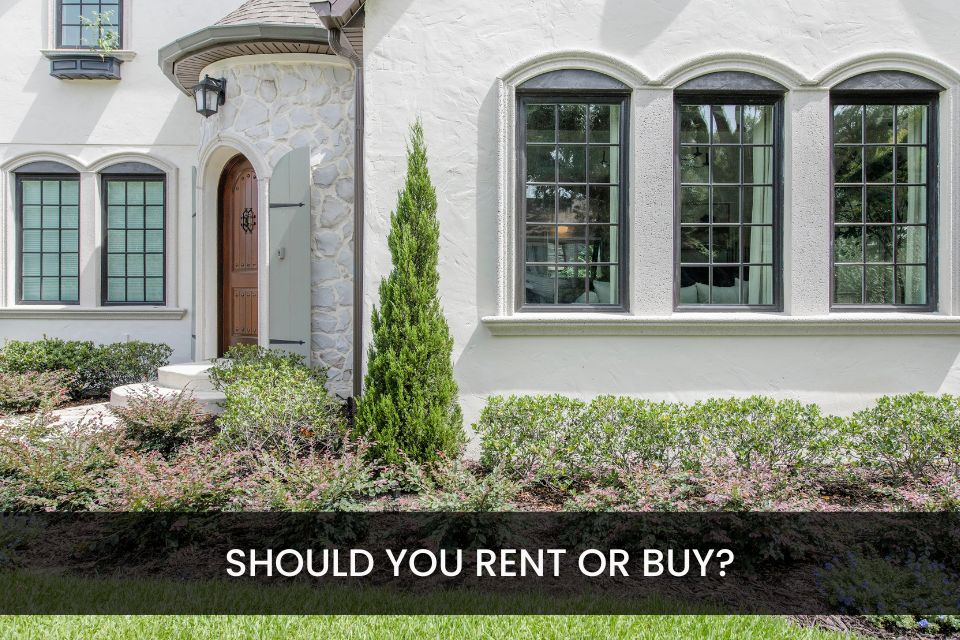
Should You Rent or Buy? Breaking Down the Numbers

Rent vs Buy

Should You Rent or Buy? Breaking Down the Numbers

Deciding whether to rent or buy a home is one of the biggest financial choices many people face. Both options have their pros and cons, and the right choice depends on factors such as your financial situation, lifestyle, and long-term goals. In this article, we’ll break down the key financial aspects of renting versus buying, so you can make an informed decision that best suits your needs.

The True Cost of Renting vs. Buying 
When comparing renting and buying, it’s important to consider all associated costs—not just the monthly rent or mortgage payment.

Upfront Costs:
Renting: Typically requires a security deposit (usually one to two months’ rent) and possibly an application fee.
Buying: Involves a down payment (ranging from 3% to 20% of the home's price) and closing costs, which can be 2% to 5% of the purchase price.

Monthly Expenses: 
Renting: Monthly rent is often lower than a mortgage payment, but it does not build equity.
Buying: A mortgage payment includes principal, interest, property taxes, and homeowners insurance. Homeownership may also involve additional costs like homeowners association (HOA) fees.

Maintenance and Repairs:
Renting: The landlord is responsible for maintenance and repairs, which means fewer unexpected expenses.
Buying: Homeowners must budget for maintenance, repairs, and potential upgrades. 

Equity and Investment:
Renting: Monthly payments go to the landlord and do not contribute to your net worth.
Buying: Mortgage payments build home equity, which can be a valuable asset over time. 

Financial Considerations: When Does Buying Make Sense?
Buying a home can be a great investment, but it’s not always the right choice. Here are some factors to consider:

Long-Term Stability
If you plan to stay in one location for several years (typically five or more), buying may be financially advantageous because home values generally appreciate over time.

Interest Rates and Market Conditions
Low mortgage interest rates can make buying more attractive, while high rates might make renting the better short-term option.

Tax Benefits
Homeownership comes with potential tax benefits, such as mortgage interest deductions and property tax deductions. However, these benefits depend on your financial situation and tax laws.

Affordability and Budget 
Use the price-to-rent ratio (home price divided by annual rent) to assess affordability. A ratio below 15 generally indicates buying is more favorable, while a ratio above 20 suggests renting may be the better option.

When Renting is the Better Choice 
Renting is often the better option for individuals who prioritize flexibility or have financial constraints.

Mobility and Lifestyle
If you expect to move frequently for work or personal reasons, renting offers greater flexibility with shorter lease commitments.

Lower Initial Costs
For those without significant savings, renting allows you to avoid hefty down payments and closing costs.

Market Volatility
In areas where home prices are unstable or experiencing declines, renting can help you avoid potential financial losses.

Opportunity Cost
If you can invest your savings elsewhere for a higher return (e.g., in the stock market), renting may provide greater financial growth than homeownership. 

Tools to Help You Decide
There are several online tools that can help you analyze whether renting or buying is the better financial choice for you:

● Rent vs. Buy Calculators: Websites like Zillow offer free tools to compare costs.
● Mortgage Affordability Calculators: Help determine how much home you can afford based on your income and expenses.
● Local Market Trends: Research rent and home price trends in your area to make a more informed decision.

Ultimately, the decision to rent or buy depends on your financial situation, lifestyle, and future goals. Buying a home can be a great long-term investment, but it requires financial stability and commitment. Renting offers flexibility and lower upfront costs but does not build equity. Carefully weigh the pros and cons, use financial tools to compare costs, and choose the option that aligns best with your circumstances. What are your thoughts on renting vs. buying? Share your experiences in the comments below!

Posted in Financing FAQ
March 4, 2025

5 Unexpected Things That Can Lower Your Home's Value

5 Unexpected Things Than Can Lower Your Homes Value
5 Unexpected Things That Can Lower Your Home's Value

When it comes to maintaining or increasing your home's value, you probably think of major renovations, curb appeal, and market trends. However, some lesser-known factors can quietly decrease your property's worth. Whether you're planning to sell soon or simply want to protect your investment, here are five surprising things that can lower your home's value.

1. Excessive Personalization
Your home should reflect your personality, but overly customized features can make it harder to sell. Bold paint colors, built-in entertainment centers, and unique room conversions (like turning a garage into a home gym) may not appeal to the average buyer.


How to Avoid This


● Stick to neutral color palettes for walls and flooring.
● Opt for removable or easily reversible customizations.
● If you’ve made major modifications, consider offering to revert them before listing your home.

2. Poorly Maintained Landscaping
Curb appeal plays a crucial role in a home's value, and a neglected yard can be a major red flag for potential buyers. Overgrown lawns, dead plants, or an unkempt exterior can suggest deeper maintenance issues inside the house.

How to Improve Your Yard

● Regularly mow the lawn and trim hedges.
● Remove dead plants and weeds to keep the landscape neat.
● Invest in low-maintenance plants to keep the yard attractive with minimal effort.

3. Unpleasant Odors
Lingering smells from pets, smoke, or even strong cooking odors can deter buyers and lower your home’s value. Smells can seep into carpets, walls, and furniture, making them difficult to remove.

How to Keep Your Home Smelling Fresh

● Deep clean carpets, drapes, and upholstery regularly.
● Use air purifiers to eliminate persistent odors.
● Open windows frequently to improve ventilation.
● Avoid smoking indoors and keep pet areas clean.

4. Outdated or Poorly Done DIY Renovations
While DIY projects can save money, poor craftsmanship can be a turn-off for buyers. Improperly installed flooring, uneven paint jobs, or outdated fixtures can make a home look neglected and unprofessional.

How to Ensure Quality Updates

● Stick to projects within your skill level or hire professionals for complex tasks.
● Choose modern, timeless finishes that appeal to a wide audience.
● If previous DIY projects are subpar, consider having them professionally redone before listing your home.

5. Nearby Foreclosures or Neglected Homes
Your home’s value isn’t just about your property—it’s also affected by the neighborhood. Nearby foreclosures, vacant properties, or homes in disrepair can make the entire area look less desirable, which can impact your home’s worth.

What You Can Do
● Stay engaged with your local community and encourage neighborhood upkeep.
● Report abandoned properties or code violations to local authorities.
● Maintain your own property’s curb appeal to set a positive example.

Conclusion
Even small details can significantly impact your home’s value. By addressing these often-overlooked factors—like personalization, landscaping, odors, DIY projects, and neighborhood conditions—you can better protect your investment and attract potential buyers. Have you encountered any surprising factors that affected a home's value? Share your experiences in the comments below!

Feb. 24, 2025

Pricing Strategies That Sell Homes Fast

Pricing Strategies That Sell Homes Fast

Selling a home is both an art and a science. A well-staged house and effective marketing are crucial, but without the right pricing strategy, your property might linger on the market for months. Setting the right price can mean the difference between a quick sale and a prolonged wait. In this blog post, we’ll explore proven pricing strategies that can help you sell your home fast while maximizing its value.

Why Pricing Your Home Right Matters

The price tag on your home is one of the first things buyers notice. It sets expectations and determines whether they even consider scheduling a viewing. A price that’s too high can scare off potential buyers, while a price that’s too low might lead them to question the quality of the property. Worse yet, incorrect pricing can lead to a property sitting on the market too long, creating the perception that something is wrong with it. Strategies to Price Your Home for a Fast Sale

1. Understand Your Local Market
Real estate is all about location, and understanding your local market is the first step to setting the right price. Research comparable homes (commonly called “comps”) in your area that have recently sold. Pay attention to:

  • Square footage
  • Number of bedrooms and bathrooms
  • Lot size
  • Condition and age of the home
  • Neighborhood amenities Online tools like Zillow, Realtor.com, or local MLS listings can provide a wealth of information.

For a more detailed analysis, consider consulting a local real estate agent who knows your market inside and out.

2. Price Slightly Below Market Value

If you’re looking to generate multiple offers and create competition, consider pricing your home slightly below market value. This strategy can:

  • Attract more buyers
  • Create a sense of urgency
  • Lead to bidding wars, potentially driving the final sale price higher than your original expectation

While this tactic might feel counterintuitive, it’s proven effective in competitive markets.

3. Analyze the Seasonality of the Market

Real estate activity fluctuates throughout the year. Spring and summer are traditionally hot selling seasons, while winter months tend to be slower. Pricing your home appropriately for the season can help you sell faster. For example:

  • In peak seasons, buyers are more active, and you might have some room to test a slightly higher price.
  • In slower months, pricing competitively is critical to attract serious buyers.

4. Leverage Psychological Pricing

Psychological pricing techniques can influence buyer perception. For example:

  • Pricing your home at $399,900 instead of $400,000 can make it feel significantly less expensive.
  • Setting a price within popular search brackets (e.g., $250,000-$300,000) ensures your home shows up in more buyer searches.

These small adjustments can make a big difference in how your listing performs online.

5. Consider the "Days on Market" Effect

The longer your home sits on the market, the more skeptical buyers become. To avoid this:

  • Set an initial price that’s competitive but not overly ambitious.
  • Be prepared to make timely price adjustments if the home doesn’t generate interest within the first few weeks.

Re-listing your property after a significant price reduction can also help reset buyer perceptions.

6. Factor in Renovations and Upgrades

Recent updates and renovations can add value to your home, but they won’t always yield a dollar-for-dollar return. Highlight these improvements in your marketing materials and ensure your pricing reflects them reasonably. For example:

  • A brand-new roof or updated kitchen can justify a slightly higher price.
  • Minor cosmetic upgrades might improve buyer interest but shouldn’t lead to a significant price hike.

7. Work with a Skilled Real Estate Agent

A knowledgeable real estate agent can be your biggest asset when setting a price. They’ll use tools like comparative market analysis (CMAs) and provide insights on:

  • Current buyer demand
  • Pricing trends in your area
  •  How your home compares to similar properties

Agents also bring negotiation expertise to ensure you get the best possible price without sacrificing speed.

8. Test the Market with a Pre-Listing Period

Some sellers choose to test the market by listing their home as “Coming Soon” before making it fully available. This strategy allows you to gauge buyer interest and adjust your pricing if necessary, all without adding to your official “Days on Market” tally.

9. Offer Buyer Incentives

If you’re in a slower market or need to sell quickly, offering incentives can help your home stand out. These might include:

  • Covering closing costs
  • Including home warranties
  • Offering flexible closing dates

Such perks can make buyers feel they’re getting extra value, even if the price remains firm.

10. Monitor Feedback and Adjust

Once your home is on the market, listen to feedback from potential buyers and agents. If you’re getting a lot of showings but no offers, your price might be slightly too high. Conversely, if interest is minimal, it’s time to re-evaluate your pricing strategy.

Common Pricing Mistakes to Avoid

- Overpricing from the Start
An overly ambitious price can lead to fewer showings and a longer time on the market. Buyers often view homes that linger as undesirable, even if the only issue is the price.

- Ignoring Market Trends
Failing to account for shifts in the market can lead to missed opportunities. Stay informed about:

  • Interest rates
  • Local supply and demand
  • Economic factors affecting your area

- Neglecting Online Appeal
Price and presentation go hand-in-hand. High-quality photos, compelling descriptions, and accurate pricing make your listing more attractive to buyers scrolling online.

Wrapping It Up:

Price It Right, Sell It Fast Pricing your home strategically is essential to achieving a quick and profitable sale. By understanding your market, leveraging psychological pricing, and working with skilled professionals, you can position your property to attract the right buyers at the right time. Remember, the goal is to set a price that’s competitive and reflective of your home’s value while appealing to buyer expectations. If you’re preparing to sell your home, take the time to research, plan, and execute a pricing strategy that works for your goals. For more tips on selling your home, check out our other blog posts or consult a trusted real estate professional. What strategies have you found most effective for selling homes quickly? Share your experiences in the comments below!

Feb. 17, 2025

Is Now the Right Time To Buy Or Sell

How to Time the Market: Is Now the Right Time to Buy or Sell?

Investing in the real estate market is both an art and a science. One of the most debated questions among buyers, sellers, and investors is whether it's possible to time the market. Should you buy now, or is it better to wait for prices to dip? Should you sell, or is holding the smarter move? Understanding how to navigate these decisions can significantly impact your financial outcomes. Let’s explore the complexities of real estate market timing and provide actionable insights to help you make informed decisions.

Why Market Timing Matters

Market timing refers to the strategy of making buying or selling decisions by predicting future market movements. Advocates argue that timing the market can maximize returns and minimize losses. Critics, however, highlight the unpredictability of markets, emphasizing the risks of mistiming your decisions. Regardless of where you stand, understanding the principles behind market timing is crucial for anyone navigating the real estate market.

The Challenge of Predicting the Market

Real estate markets are influenced by a myriad of factors—economic data, interest rates, housing supply, consumer demand, and even seasonal trends. These variables create a level of complexity that makes precise predictions nearly impossible. Even seasoned professionals with advanced tools and data often struggle to accurately forecast short-term market movements. However, while perfect timing may be elusive, analyzing trends and staying informed can help you make smarter decisions.

Key Factors to Consider When Timing the Real Estate Market

  • 1. Market Cycles The real estate market typically moves in cycles of growth (seller’s markets) and decline (buyer’s markets). Recognizing where we are in the cycle can guide your decisions: ● Seller’s Market: Characterized by high demand, low inventory, and rising prices. These are generally good times to sell, but buyers may face tough competition. ● Buyer’s Market: Defined by high inventory, reduced demand, and declining prices. While these periods can be challenging for sellers, they present opportunities for buyers to negotiate better deals.
  • 2. Interest Rates Interest rates significantly impact real estate affordability. Lower interest rates reduce borrowing costs, boosting buyer demand and potentially driving up home prices. Conversely, rising rates can cool the market by increasing monthly mortgage payments.
  • 3. Economic Indicators Key economic indicators can provide clues about the real estate market’s direction: ● Employment Rates: Job growth and low unemployment support housing demand. ● Income Growth: Higher household incomes increase purchasing power. ● Inflation: Rising costs can impact construction prices and overall market conditions.
  • 4. Local Market Trends Real estate is inherently local. Factors like population growth, infrastructure development, and zoning changes can create unique opportunities or challenges in specific areas. Stay informed about local market dynamics to better time your decisions.
  • 5. Seasonality Seasonal trends often influence real estate activity: ● Spring and Summer: Typically see increased activity and higher prices due to favorable weather and family moves. ● Fall and Winter: Slower activity often leads to fewer buyers, presenting opportunities for negotiation.

Strategies for Navigating Real Estate Market Timing

  • 1. Research and Data Analysis Leverage data to inform your decisions. Look for trends in home prices, days on market, and inventory levels. Online tools and platforms can provide detailed insights into local market conditions.
  • 2. Buy and Hold Strategy For long-term investors, timing the market is less critical than finding properties with strong potential for appreciation or rental income. Real estate often gains value over time, making a buy-and-hold approach a proven strategy.
  • 3. Negotiate Strategically In buyer’s markets, leverage your position to negotiate lower prices, seller concessions, or favorable terms. In seller’s markets, consider ways to make your offer stand out, such as pre-approval or waiving certain contingencies.
  • 4. Consider Rent vs. Buy Dynamics Evaluate whether renting or buying makes more sense based on current market conditions. Rising home prices or high interest rates might tilt the scale toward renting until the market stabilizes.
  • 5. Stay Patient and Disciplined Avoid rushing into decisions based on fear of missing out (FOMO) or market hype. A disciplined approach ensures you’re making choices aligned with your financial goals.

Common Pitfalls to Avoid

  • 1. Overestimating Market Trends Assuming that current trends will continue indefinitely can lead to overpaying or missing opportunities. Real estate markets often cycle through ups and downs.
  • 2. Emotional Decision-Making Fear and greed are powerful emotions that can cloud judgment. Avoid making decisions driven by panic during downturns or euphoria during hot markets.
  • 3. Ignoring Carrying Costs If you’re an investor, consider costs like property taxes, maintenance, and vacancy periods. These can eat into your profits if you hold a property for too long.
  • 4. Neglecting Due Diligence Failing to research local market conditions, property history, or future developments can lead to costly mistakes. Always conduct thorough due diligence before making a decision.

Is Now the Right Time to Buy or Sell Real Estate?

The answer depends on your individual circumstances, goals, and risk tolerance. Here are some guiding questions to consider:

  • 1. What Are Your Financial Goals? Are you buying for personal use, rental income, or long-term appreciation? Your objectives influence whether it’s better to buy, sell, or hold.
  • 2. What Is Your Time Horizon? Are you looking to make a quick profit, or are you willing to wait for long-term growth? Your timeline affects your strategy.
  • 3. What Are the Local Market Conditions? Review inventory levels, price trends, and demand in your area. Understanding the local market is critical to timing your decision effectively.

Final Thoughts

Timing the real estate market is a challenging endeavor, even for seasoned professionals. Rather than aiming for perfection, focus on building a strategy that aligns with your goals, risk tolerance, and time horizon. Combine market research with local insights, stay disciplined, and remember that long-term success often comes from thoughtful planning rather than perfectly timed decisions. If you found this guide helpful, explore our other posts on real estate investment strategies, property management, and market trends. And don’t forget to share your thoughts or questions in the comments below—we’d love to hear from you!

Feb. 10, 2025

Romantic Tech Gifts: A Guide for the Geek in Your Life

Finding the perfect romantic gift for the tech enthusiast in your life can be tricky, but with the right mix of innovation and personalization, you can hit the mark! Whether you're shopping for him or her, these tech gifts will bring joy to any geeky heart. Here are some of the best options for 2025.

For Him:

  1. Smartwatch with Customizable Face
    A high-tech smartwatch like the Apple Watch Series 9 or Samsung Galaxy Watch 6 makes an excellent gift for any guy who loves gadgets. With sleek designs and customizable watch faces, it offers the perfect blend of style and functionality—perfect for tracking workouts, managing notifications, and even sending quick texts.

  2. Noise-Canceling Headphones
    For the music lover or gamer, the Sony WH-1000XM5 or Bose QuietComfort 45 are top-tier noise-canceling headphones. Whether he’s working from home, gaming, or just enjoying his favorite tunes, these headphones offer crystal-clear sound and comfort for hours.

  3. Smart Home Assistant
    Elevate his living space with a smart home assistant like the Amazon Echo Studio or Google Nest Hub Max. These devices can control the lights, play his favorite playlist, and even order takeout—all through voice commands. It’s a gift that’s both functional and fun.

  4. VR Headset
    For the ultimate immersive experience, gift him a Meta Quest Pro or PlayStation VR2. These VR headsets transport users into virtual worlds, whether it's gaming, exploring simulations, or just hanging out with friends in virtual reality.

For Her:

  1. Personalized Tech Jewelry
    For a tech-savvy woman with a flair for style, consider Ember’s Personalized Smart Jewelry. This unique bracelet doubles as a fitness tracker and can even display notifications discreetly. It’s the perfect combination of functionality and fashion.

  2. Smart Water Bottle
    The Hydrate Spark 3 Smart Water Bottle is a thoughtful gift that encourages hydration. This smart bottle syncs with an app to track water intake and glows to remind her when it’s time for a sip. It's perfect for the health-conscious geek.

  3. Portable Bluetooth Speaker
    The Bose SoundLink Flex is a waterproof and durable Bluetooth speaker that delivers powerful sound on the go. Perfect for picnics, beach trips, or just relaxing at home, it’s a practical yet stylish gift for any music lover.

  4. Smart Mirror for Skincare
    A HiMirror Plus Smart Mirror is a unique way to upgrade her skincare routine. It analyzes her skin condition, provides personalized recommendations, and even tracks improvement over time. Ideal for the woman who’s both tech-savvy and beauty-conscious.

Shared Gifts for Both:

  1. Couples' Smart Game Night
    For a fun night in, try gifting a Tabletopia Subscription or a Nintendo Switch with a selection of multiplayer games. Perfect for couples who enjoy gaming together, it’s a great way to bond over some friendly competition.

  2. Smart Wine Dispenser
    For the wine lovers, the Wine Enthusiast 12-Bottle Touchscreen Wine Refrigerator or a Coravin Timeless Wine Preservation System makes a delightful gift. These tech-savvy gadgets let them preserve wine for longer, keeping it at optimal temperatures.

  3. Smart Thermostat
    A Nest Learning Thermostat offers convenience and energy savings. It learns her preferences and adjusts the temperature automatically, keeping both comfort and efficiency in mind.

Final Thoughts:

Tech gifts aren’t just about gadgets—they’re about enhancing experiences. Whether you’re shopping for him or her, these romantic tech gifts for 2025 are sure to impress. They bring innovation and personalization together to create thoughtful presents that’ll make your geeky sweetheart smile!

Posted in ONE Thoughts
Feb. 3, 2025

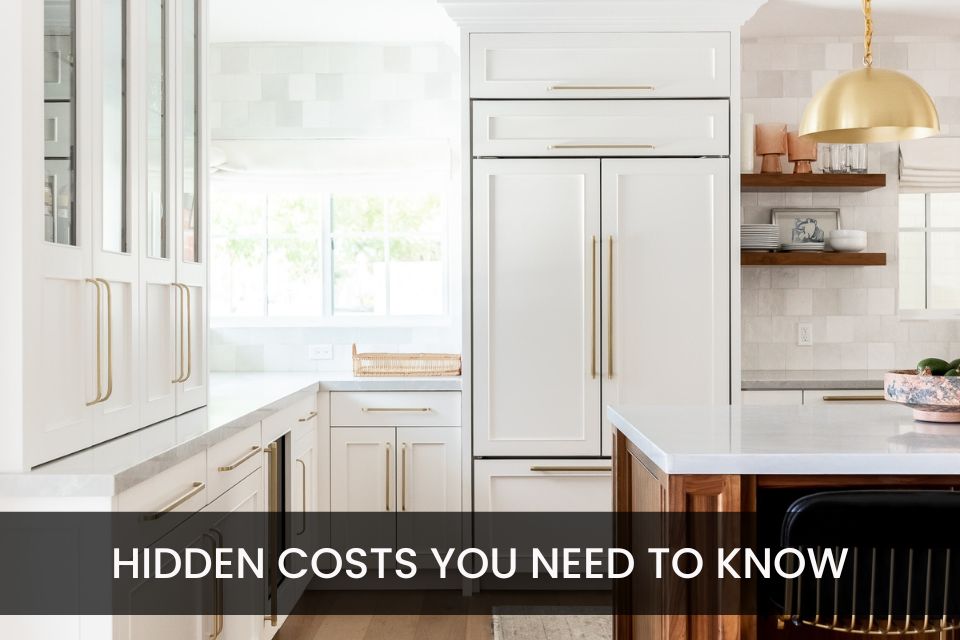
Hidden Costs of Buying a Home You Need to Know

Hidden Costs of Buying a Home You Need to Know

Buying a home is one of life’s most significant milestones. While most buyers focus on the listed price, closing the deal often comes with unexpected expenses that can catch even the savviest buyers off guard. Understanding these hidden costs can help you prepare financially and avoid unpleasant surprises. In this post, we’ll explore the less obvious expenses of homeownership, from upfront fees to ongoing costs, so you can make a well-informed decision.

The True Cost of Buying a Home When budgeting for your dream home, the price tag you see isn’t the only number to consider. Additional expenses can add up quickly, making a significant dent in your savings. Below are some of the hidden costs every homebuyer should know about.

1. Closing Costs
Closing costs are a bundle of fees paid at the finalization of the real estate transaction. These fees typically range from 2% to 5% of the home's purchase price. Some common components of closing costs include: ● Loan Origination Fees: Charged by the lender for processing your loan. ● Appraisal Fees: Paid to assess the market value of the property. ● Title Insurance: Protects you and the lender from disputes over ownership. ● Escrow Fees: Cover the cost of a third party managing the closing process. Tip: Request a breakdown of estimated closing costs from your lender early in the process to avoid surprises.

2. Home Inspection and Survey Fees
Before closing, a home inspection is essential to identify any structural or mechanical issues. Additionally, a property survey might be needed to verify boundaries and identify potential disputes. ● Inspection Costs: Typically range from $300 to $500. ● Survey Fees: May cost $400 to $700, depending on the property size and location. Tip: While these expenses might seem optional, skipping them can lead to costly repairs or legal disputes down the road.

3. Moving Expenses
Moving to a new home involves more than renting a truck. The costs can include: ● Hiring professional movers. ● Packing supplies like boxes, tape, and protective materials. ● Temporary storage solutions if your move is staggered. Tip: Plan your move during the off-season (fall or winter) to secure better rates from moving companies.

4. Property Taxes
Property taxes are ongoing expenses that vary based on your home’s assessed value and local tax rates. While lenders often include taxes in your monthly mortgage payments, it’s essential to budget for potential increases over time. Tip: Research the property’s tax history and check if the area has upcoming assessments or tax hikes.

5. Homeowners Insurance
Homeowners insurance is a must to protect your investment from unforeseen events like fires, storms, or theft. Premiums depend on factors like location, property value, and coverage levels. Additionally, if you’re in a flood or earthquake-prone area, you may need supplemental policies, which can be costly. Tip: Shop around for insurance quotes and consider bundling policies to save money.

6. Private Mortgage Insurance (PMI)
If your down payment is less than 20%, lenders typically require private mortgage insurance to protect themselves in case of default. PMI can add hundreds of dollars to your monthly payments until you build sufficient equity. Tip: Aim to save at least 20% for a down payment to avoid this extra cost.

7. HOA Fees and Community Costs
Homes in planned communities or condominiums often come with homeowners association (HOA) fees. These fees cover shared amenities, landscaping, and maintenance but can range from $100 to several hundred dollars monthly. Tip: Review HOA rules and fees carefully before purchasing to ensure they align with your budget and lifestyle.

8. Utility Setup and Maintenance Costs
Once you move in, you’ll need to budget for setting up utilities such as electricity, water, internet, and gas. Additionally, ongoing maintenance costs like landscaping, HVAC servicing, and minor repairs can add up. Tip: Keep an emergency fund specifically for home maintenance to handle unexpected issues.

9. Furnishing and Upgrades New homes often require new furniture or upgrades to meet your preferences. Whether it’s purchasing appliances, painting walls, or remodeling a kitchen, these costs can climb quickly. Tip: Prioritize essential purchases and spread out upgrades over time to manage expenses.

10. Unexpected Repairs
Even with a thorough inspection, unforeseen repairs can arise. A leaking roof, faulty plumbing, or electrical issues are common problems that homeowners face. Tip: Consider purchasing a home warranty, which can cover major repairs and replacements for a set period.

Preparing for the Hidden Costs
The key to managing the hidden costs of homeownership is preparation. Here are some actionable steps to help you navigate the process:

  • 1. Create a Detailed Budget: Account for all potential costs, including down payment, closing costs, and ongoing expenses.
  • 2. Do Your Research: Understand the property’s history, neighborhood trends, and associated fees.
  • 3. Consult Professionals: Work with a trusted real estate agent and financial advisor to ensure no detail is overlooked.
  • 4. Build an Emergency Fund: Set aside 1% to 3% of your home’s value annually for maintenance and repairs.

Final Thoughts

Buying a home is a rewarding but complex process, and being aware of the hidden costs can save you from financial stress. By planning ahead and budgeting for these expenses, you’ll be better equipped to enjoy your new home without surprises.

What hidden costs surprised you the most? Share your experiences in the comments below or explore our other articles on homeownership tips and financial planning to learn more!

Jan. 27, 2025

7 Must-Have Apps for New Homeowners

We live in a fast-paced, digital world. Most home buyers start their search online and many rely on apps throughout the process. So, it makes sense that once they have the keys, they continue to look for technology to help them create and maintain their new home.

Here are some must-have apps to help new homeowners enjoy a hassle-free experience with their new property.

1. Centriq – A home management app that helps homeowners organize, operate, and maintain systems and appliances. Add appliances/devices by uploading model numbers and getting access to features, fix-it guides, and product recalls.

2. HomeZada – A digital management system that allows the user to track their home’s equity, insurance, and mortgage. It includes a home value forecaster tool as well.

3. NextDoor – A neighborhood networking app that helps new homeowners get involved in their local community. Provides access to local community members to get recommendations for service providers, community events, and emergency information.

4. HomeStyler – A digital interior design tool that helps homeowners envision changes to their homes. Capture photos of the home to “try out” new designs and décor products.

5. TaskRabbit - This app connects homeowners with freelance taskers who perform services such as decluttering, TV mounting, babyproofing, packing, and much more.

6. Vivint Smart Home – A home security system that allows you to connect smart locks, doorbell cameras, thermostats, garage door openers, and any other smart device onto one app, instantly available on a mobile device.

7. FEMA App – The FEMA app allows the user to receive real-time weather and emergency alerts for up to five locations. It also can help locate a local shelter if the homeowner needs to evacuate. Technology has impacted the way we do most everything.

New homeowners can take advantage of the many apps available to ensure their new home is everything they want it to be

Jan. 20, 2025

Why a Condo Could Be Your Best First Home

Are you ready to buy your first home but the price of single-family homes is too high to manage? A single-family home is not only more expensive but could lead to thousands of dollars in repairs and upkeep after the purchase. With higher interest rates putting barriers to borrowing, a condo might be a great alternative for those ready to buy their first home.

Buying a condo offers a great deal of benefits for first-time home buyers. The most important aspect is that it allows you to enter the homeownership stream. It’s an asset that builds equity from the very beginning. Rather than wasting money on rent, buying a condo increases your net worth and puts you in a great position to move to a single-family home later.

Condos are usually less maintenance than single-family homes. Condos are great if you don’t want to mow the lawn, shovel snow, fix the roof, or clean the pool. Amenities such as parks, recreation facilities, dog parks, sports courts, and more are often included in the monthly association fee.

Condo living creates a sense of community. People with or without children may enjoy living close to neighbors and the close-knit community feel. This often encourages fun events like barbeques or block parties that build connections. If single-family homes are unaffordable or undesirable, then consider a condo for your first home